Freedom & the Exodus Story
Biblical texts were a source of symbols in relation to Moses and freedom from slavery. According to the Encyclopedia of Antislavery and Abolition, Moses has become "a symbol of freedom and abolition for the ages . . . and remains, from antiquity to the present, a symbol or archetype of the liberator from slavery and champion of freedom." (Hinks)
Political historian Graham Maddox explains how the "Moses story" gained such influence in America:
The religion of Israel induced a radical change in human understanding. From the surge of new thinking about God flowed everything else — including political, material and intellectual culture. In ancient Jewish religion God assumed a novel role: the liberator of slaves.
Graham Maddox — Religion and the Rise of Democracy (1996)Historian Gladys L. Knight describes how leaders who emerged during slavery time often personified the Moses symbol. "The symbol of Moses was empowering in that it served to amplify a need for freedom." (Knight)
Among the heroes of the antislavery movement was Harriet Tubman (1822–1913), an African-American woman who became known as "A Moses of her people." While helping slaves escape, she told them to wait until they heard her sing a song then forbidden to slaves, "Go Down Moses," which meant the coast was clear.
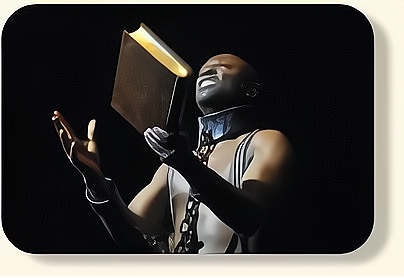
Paul Robeson (1898–1976) — "Go Down Moses"
The call of "Let my people go!" would later become a theme of the American civil rights movement. Other early Black activists referred to as a "Moses of their people" included publisher Marcus Garvey and educator Booker T. Washington.
Various sources — Cronon, Moses (1982)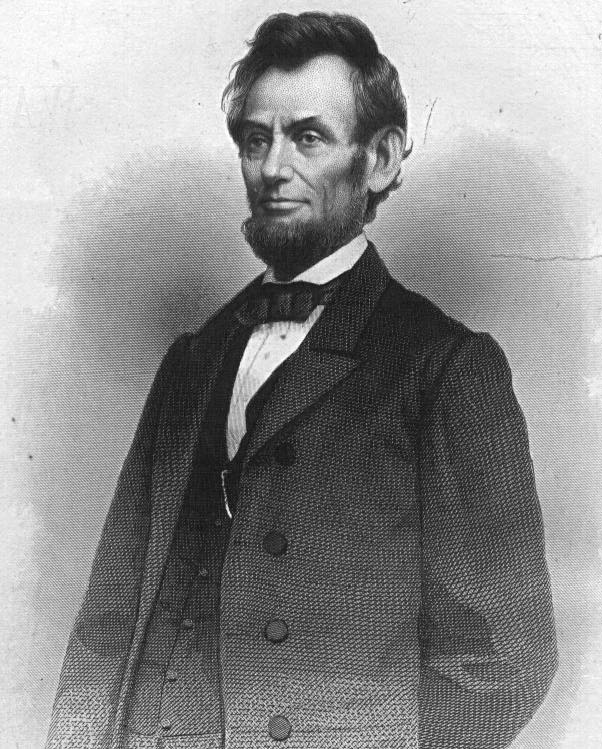
Abraham Lincoln — eulogized as "a second Moses"
Abraham Lincoln 16th President
Abraham Lincoln (1809–1865) was America's 16th president and was assassinated in 1865 after successfully leading the country through the American Civil War, which ended slavery while still preserving the union. Historian A. E. Elmore notes that Lincoln's writings were influenced by the Bible, (Elmore) and he quoted from the Book of Exodus when delivering his Gettysburg Address.
After his assassination, he was widely compared to Moses. Lincoln biographer Charles Carleton Coffin writes, "the millions whom Abraham Lincoln delivered from slavery will ever liken him to Moses, the deliverer of Israel." Coffin adds:
Moses gives just and righteous laws to Israel; Abraham Lincoln, a new charter of liberty to his country. Both lead their fellow men out of bondage, both behold the promised land.
Charles Carleton Coffin — Abraham Lincoln (1893)According to Lincoln's War Papers, after the war ended, "There was wailing in the cabins of freedmen who saw in 'Mass'r Lincoln' a second Moses to lead them out of bondage, and whose simple faith saw him walking with God." (Lincoln)
During a service in Washington D.C., minister Jeremiah Rankin said in his eulogy of Lincoln, "Nothing can be more beautiful or appropriate than many of the parallels which the American people have traced between their own recent history and that of the children of Israel in their exodus from the house of bondage." (Rankin)